


The Croatian healthcare system, like many healthcare facilities across Europe, has faced significant challenges, exacerbated by the Covid-19 pandemic, particularly regarding the shortage of qualified healthcare staff.
According to the OECD-European Commission "Health at a Glance: Europe 2024" report, EU countries face a shortage of approximately 1.2 million healthcare workers relative to the minimum thresholds required for universal health coverage.
This situation forced the Croatian Ministry of Health to identify structural solutions capable of increasing safety and efficiency in hospitals by rethinking organizational processes, especially at the most critical point: medication management.
Their objective was twofold: to ease the workload of existing staff, freeing up qualified resources for higher value-added care activities, while simultaneously drastically reducing the risk of error in medication distribution.
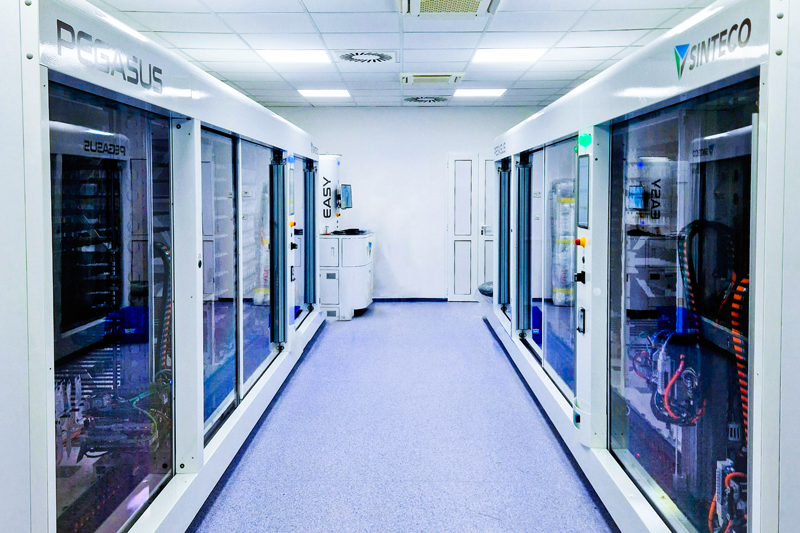
Sinteco's solution: healthcare automation with ATHENA
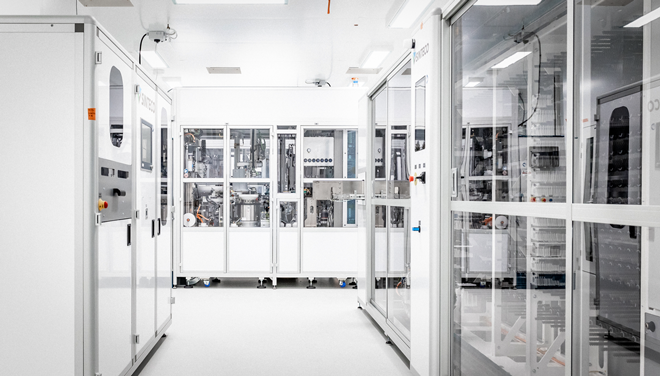
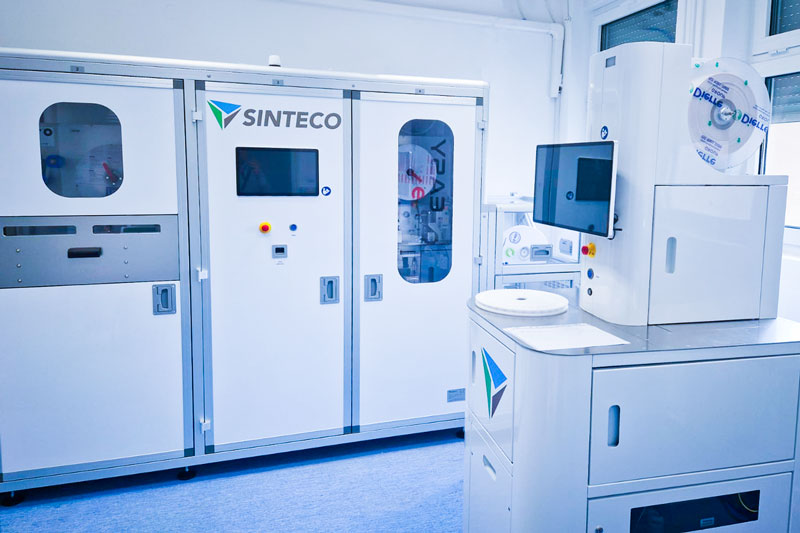
In response to the needs of the Croatian Ministry of Health, Sinteco's Healthcare Automation division completed the installation of ATHENA systems for the automated unit-dose medication management from its headquarters in Longarone (BL).
The project involved a total of 41 hospitals across Croatia, with facilities ranging from 100 to over 1.000 beds.
The ATHENA systems made it possible to optimize the following phases:
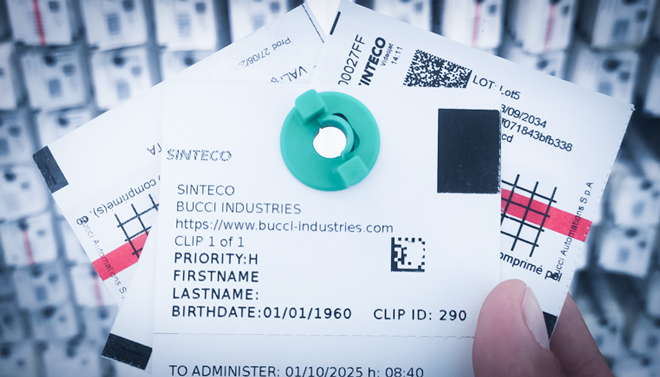
PERSONALIZED THERAPY PREPARATION: automating unit-dose medication preparation, to ensure precision and speed.
FULL TRACEABILITY: guaranteeing medication traceability throughout the entire process, from dispensing to patient administration, thereby increasing clinical safety.
PROCESS OPTIMIZATION: intervening in the critical step of medication distribution, reducing the risk of error and ease the burden of repetitive activities previously carried out by pharmacists and nurses.

Results and benefits
The implementation of system ATHENA systems has produced significant and lasting results for the Croatian healthcare system, in line with the principle that automation does not replace healthcare personnel, but rather supports them.
The main benefits achieved through this project are:
GREATER CLINICAL SAFETY AND CARE-CENTRIC FOCUS: automation minimizes the margin of error in medication distribution, allowing nurses and pharmacists to devote their time to higher value-added care activities and improving the overall quality of patient care.
ECONOMIC EFFICIENCY AND OPERATIONAL SUSTAINABILITY: since dispensing optimization, based on expiration dates, is managed automatically by the ATHENA system, it helps reduce waste and lower disposal costs for packaging and expired medicines.
The project carried out by Sinteco for Croatia confirms automation as a crucial tool for both immediate efficiency and medium-term sustainability, strengthening the resilience of the healthcare system in the face of demographic and economic pressures.
What they say about us: press review
Our mission is attracting the attention of media outlets and trade publications. Here are some in-depth articles about the transformation we are bringing to hospitals:
- ANSA: Belluno technology for medication automation in 41 Croatian hospitals
- DOLOMIND: Sinteco automates 41 Croatian hospitals
- IL NORDEST : Sinteco automates 41 Croatian hospitals