


In hospitals and healthcare facilities, medication management is one of the most delicate and strategic processes. Even minor errors in administration and waste due to sub-optimal stock levels generate high costs, clinical risks and a significant environmental impact every year. In this context, patient safety and economic sustainability are two key challenges that healthcare facilities face on a daily basis.
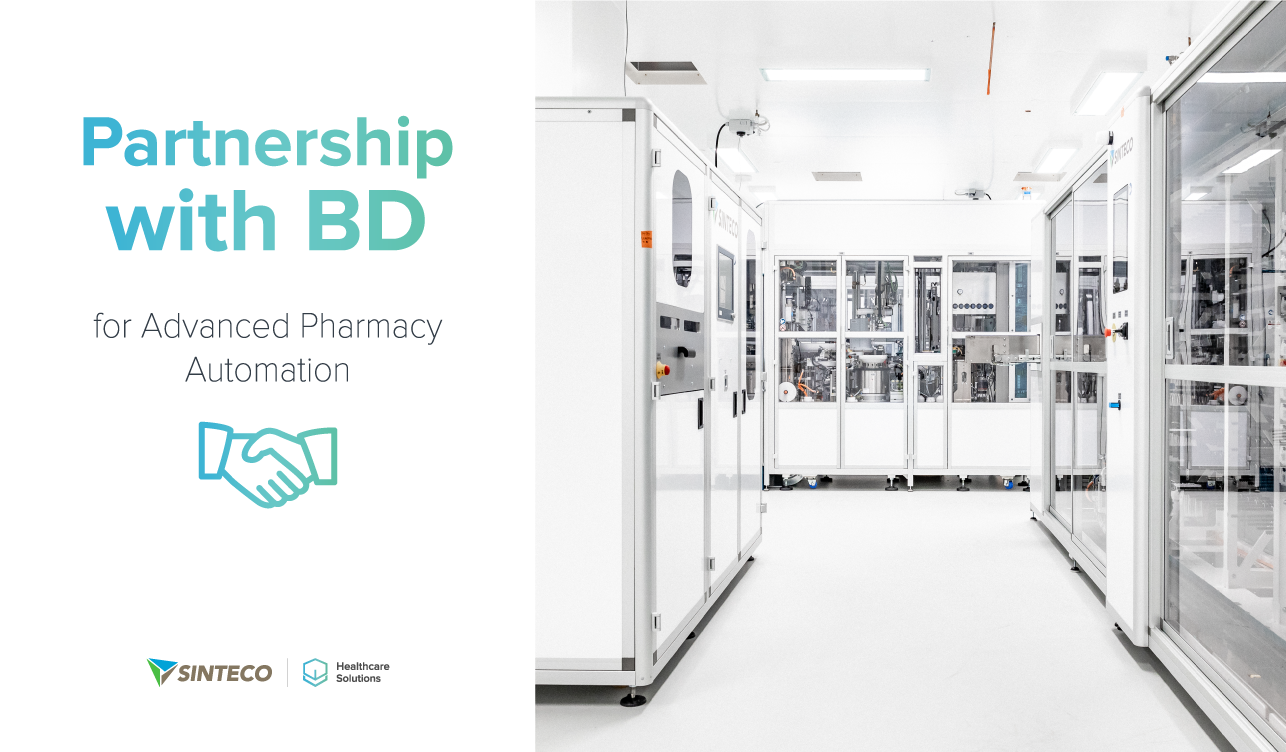
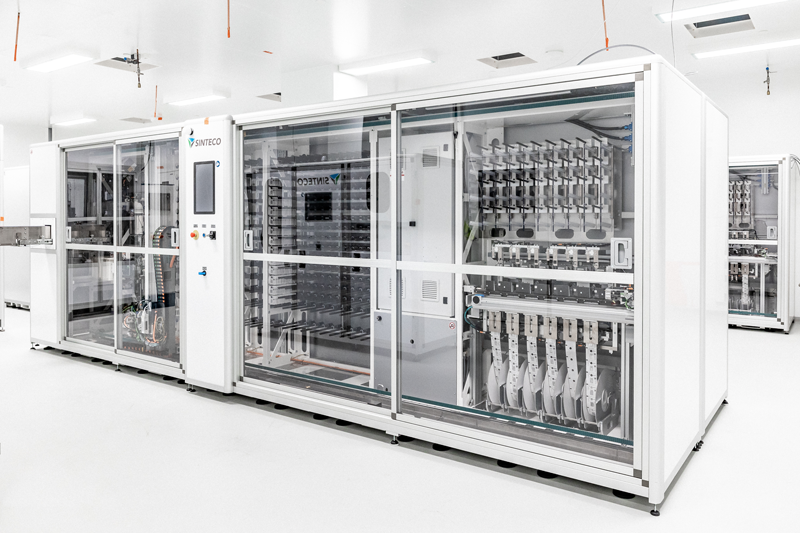
The answer to these challenges lies in the automation of unit dose medication. It is a change of approach: redesigning and tracking the path of the medicine at every stage to reduce human error and optimise every resource.
The numbers that make the difference
To understand the urgency of this change, just look at the global data that guides our vision:
- CLINICAL SAFETY: A study by the British Journal of Clinical Pharmacology estimates that 7.3% of hospital deaths in Europe are caused by medication errors. Automation allows for complete traceability of medication, drastically reducing the margin for error and increasing patient safety.
- WASTE OF RESOURCES: The European Association of Hospital Pharmacists points out that between 15% and 30% of drugs purchased by hospitals are wasted each year. Automation can reduce waste by optimising stocks and improving expiry date management.

1. Safety: protecting life with precision
According to the British Journal of Clinical Pharmacology, manual administration is one of the most vulnerable points in the clinical chain. Our automation systems intervene precisely here, replacing uncertainty with data precision:
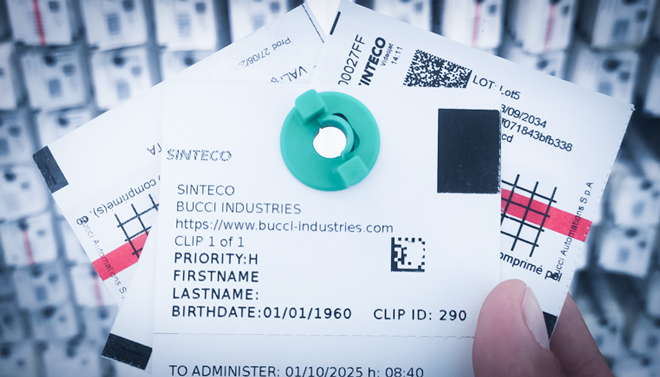
- UNIQUE IDENTIFICATION: each dose is linked to a single patient.
- STANDARDISATION: identical and controlled processes for each preparation.
- TRANSPARENCY: a clinical pathway that can be verified at any time, from the pharmacy to the patient's bedside.
2. Sustainability: less waste, more resources for care
The waste of medicines is not only an economic loss, but also a serious environmental problem. Thanks to unit dose production, we transform the management of medicines into a circular economy model for hospitals:
- NO STOCKPILING: only what is actually needed is prepared.
- EXPIRY DATES UNDER CONTROL: automatic monitoring to prevent the deterioration of medicines in stock.
- LESS IMPACT: reduction in costs and procedures for disposing of unused medicines.
Automation frees healthcare staff from repetitive tasks, allowing doctors and nurses to get back to what really matters: caring for and building relationships with patients.
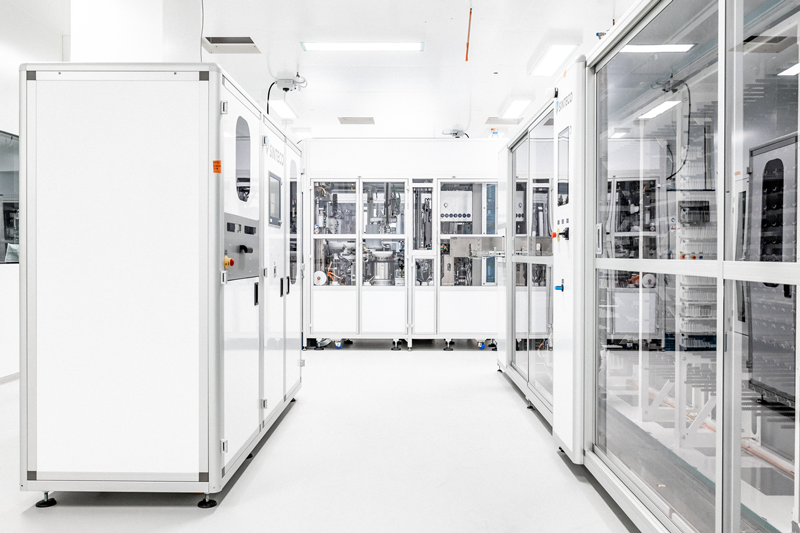
Athena: our solution for the future
At the technological heart of this revolution is Athena, our software platform designed for hospital pharmacies. Athena doesn't just manage, it connects: it integrates data, tracks every movement and adapts flexibly to the specific needs of each facility.
Choosing Athena means choosing a healthcare system where technology is, first and foremost, a tool at the service of patient safety.
What they say about us: press review
Our technology has captured the attention of the media and industry publications. Here’s a closer look at the revolution we are bringing to hospitals:
- ANSA: La robotica di Sinteco rivoluziona la gestione dei farmaci
- MILANO FINANZA: Sinteco, per i farmaci arriva Athena
- DOLOMIND: Quando la robotica salva vite e risorse
- NORDESTNEWS: La rivoluzione di Sinteco nella gestione dei farmaci